eDreams is now available in the following countries:
Europe

Asia
Oceania
America
Africa
Or you can visit ourglobal site
Find Cheap Flights to Invercargill from $ 82 with eDreams
Flights
Hotels
Flight + Hotel
Car hire
Date
Date
1
Explore the best deals
Discover the cheapest flights to Invercargill
Filter by
Thu, 4 June - Wed, 10 June

Air New ZealandDirect
Christchurch - Invercargill
Air New ZealandDirect
Invercargill - Christchurch
166$
153$
Thu, 7 May - Mon, 11 May
Air New ZealandDirect
Christchurch - Invercargill
Air New ZealandDirect
Invercargill - Christchurch
241$
227$
Wed, 29 Apr - Tue, 5 May
Air New ZealandDirect
Christchurch - Invercargill
Air New ZealandDirect
Invercargill - Christchurch
-14 % Prime price per passenger
295$
255$
Mon, 18 May - Thu, 21 May
Air New ZealandDirect
Christchurch - Invercargill
Air New ZealandDirect
Invercargill - Christchurch
292$
276$
Tue, 14 Apr - Wed, 15 Apr
Air New ZealandDirect
Christchurch - Invercargill
Air New ZealandDirect
Invercargill - Christchurch
501$
493$
Fri, 19 June - Sun, 21 June
Air New Zealand2 stops
Melbourne - Invercargill
Air New Zealand2 stops
Invercargill - Melbourne
823$
797$
Thu, 11 June
Air New ZealandDirect
Christchurch - Invercargill
90$
82$
Sat, 9 May
Air New ZealandDirect
Christchurch - Invercargill
96$
88$
Mon, 4 May
Air New ZealandDirect
Christchurch - Invercargill
105$
97$
Wed, 15 Apr
Air New ZealandDirect
Christchurch - Invercargill
128$
117$
Sun, 17 May
Air New ZealandDirect
Auckland - Invercargill
-17 % Prime price per passenger
168$
140$
Sun, 31 May
Air New ZealandDirect
Auckland - Invercargill
-18 % Prime price per passenger
290$
238$
The prices shown on this page were available within the last 20 days for the specified periods and should not be considered the final price offered. Please note that availability and prices are subject to change.
Popular flight routes to Invercargill

Flights from Perthto InvercargillPrime price per passenger
1636$
1623$
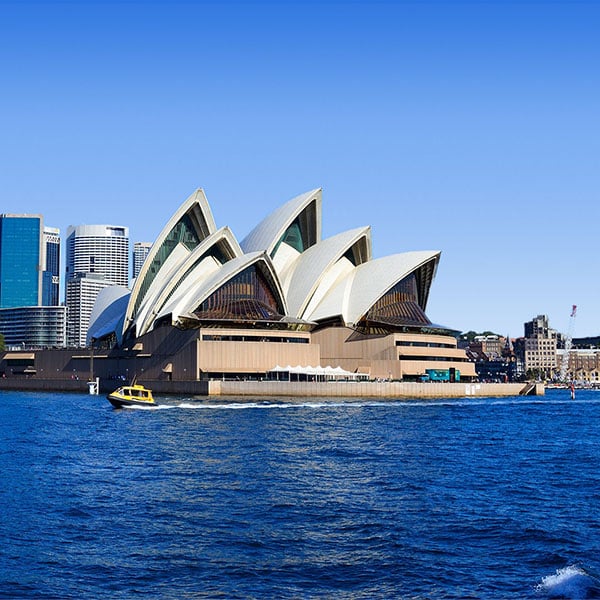
Flights from Sydneyto InvercargillPrime price per passenger
625$
611$
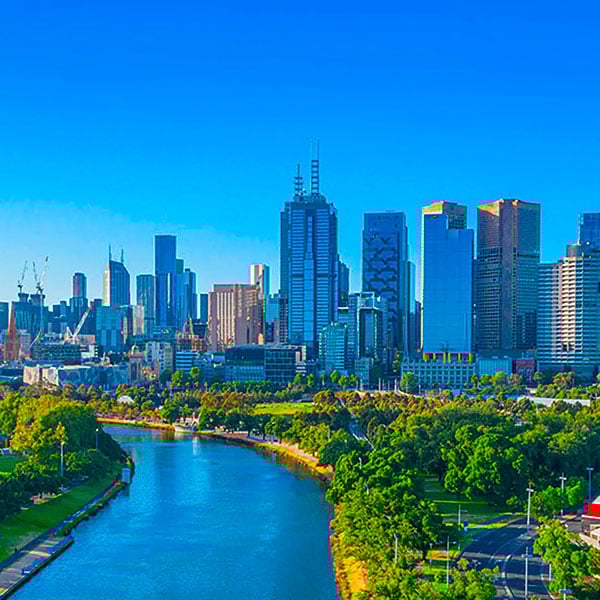
Flights from Melbourneto InvercargillPrime price per passenger
1131$
1108$

Flights from Brisbaneto InvercargillPrime price per passenger
441$
436$

Flights from Christchurchto Invercargill
-22 % Prime price per passenger
99$
77$
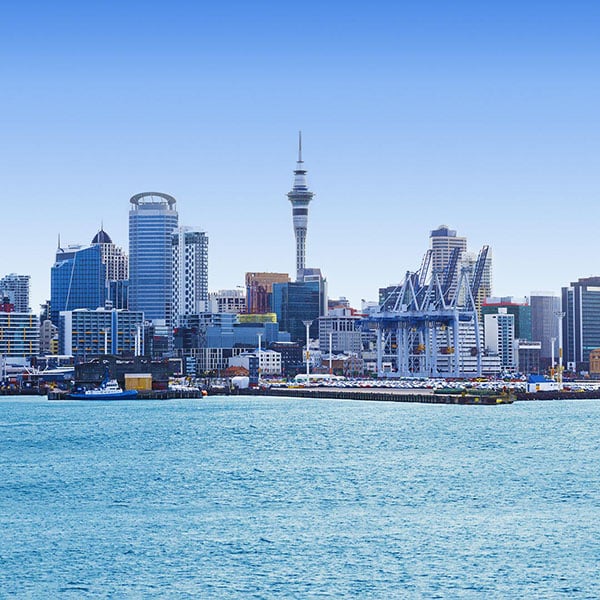
Flights from Aucklandto InvercargillPrime price per passenger
346$
339$
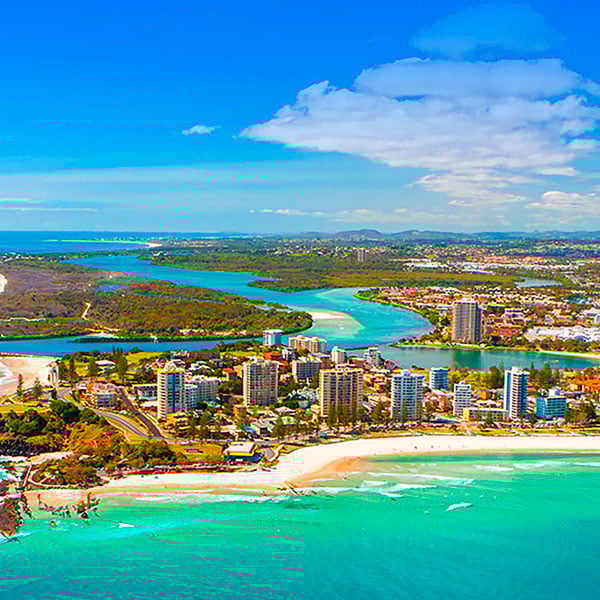
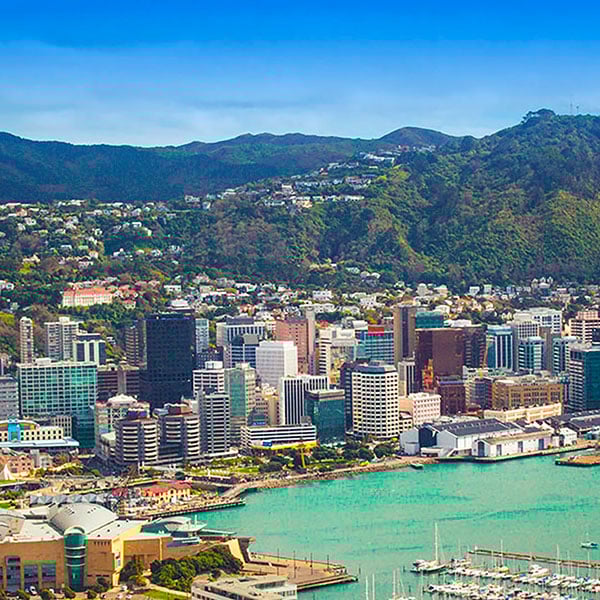

How long’s the flight to Invercargill?
If you’re looking to fly to Invercargill, we at eDreams have checked the most popular routes to help you plan your trip. From Melbourne, the flight takes roughly 5h 11m; from Sydney, around 5h 20m; and from Gold Coast - Coolangatta, about 5h 33m.Flight Time (in hours)
MelbourneSydneyGold Coast - CoolangattaBrisbanePerth
How much does a flight to Invercargill cost?
At eDreams you can find flights from Brisbane to Invercargill starting from $460, with an average price of $524. If you depart from other cities such as Gold Coast - Coolangatta, you can find tickets from $473, and from Perth starting from $626, according to data from the last 72 hours.Filter by
BrisbaneGold Coast - CoolangattaPerthToowoomba, QLDSunshine Coast - Maroochydore, QLD
BrisbaneCheapest
Cheapest Price: $460CheapestAverage
Frequently asked questions about Invercargill flights
How can I find cheap flights to Invercargill on the eDreams website?
At eDreams, we make it easy to find the perfect flight to Invercargill, with fares starting from just $ 82. Our smart tech searches for the best deals, giving you heaps of options. Whether you’re after the cheapest fare or the most convenient schedule, we make planning your trip dead simple.
What is the best month to book flights to Invercargill?
These are the most popular times for travellers to lock in their flights.
What is the best month to travel to Invercargill?
Based on our customers’ searches, the best month to fly to Invercargill is March.
You might also think about flying in April, the second-best month for a cracking trip.
And don’t forget February, the third most popular month to visit Invercargill.
If you’re after a quieter trip, the least busy month is November. Travelling then means fewer crowds and a more relaxed vibe.
Which airlines offer the most affordable flights to Invercargill?
Based on our customers’ bookings, these low-cost airlines are the ones most likely to have cracking deals for flights to Invercargill.
- Air New Zealand has an average one-way fare of $1,272.15. Flying from Sydney to Invercargill costs around $1,072.65, and from Melbourne it’s about $1,125.91.
- Qantas Airways is one of the most budget-friendly airlines, with an average one-way ticket of $1,278.16. For example, flying from Melbourne to Invercargill costs around $851.47, and from Brisbane it’s about $914.09.
- Jetstar is another top pick for affordable one-way tickets, with an average fare of $1,363.64. For example, a flight from Brisbane to Invercargill costs around $1,114.40, and from Gold Coast - Coolangatta it’s roughly $1,189.47.
What airlines fly to Invercargill?
Here are some other options for flights to Invercargill that might include a stopover:
- Air New Zealand flies to Invercargill from Brisbane, Sydney, and Melbourne.
- Qantas Airways also heads to Invercargill from Auckland, Brisbane, and Sunshine Coast - Maroochydore, QLD, giving you a few handy departure options.
When traveling to Invercargill, what's the recommended arrival time at the airport before my flight?
To kick off your trip without any dramas, rock up to the airport 2–3 hours before your flight. This gives you plenty of time to check in, get through security, customs, and drop off your bags, and leaves room in case anything crops up.
With eDreams, you can snag top-flight deals to Invercargill from over 3 cities. We’ve also got extras to make your airport time a breeze – priority boarding, extra luggage, and lounge access for a bit of comfort.
For extra peace of mind, think about picking a refundable fare or chucking on some travel insurance so you can start your trip feeling ready and relaxed.
Plan your trip
Popular CitiesPopular Flight Routes
- Flights to Christchurch
- Flights to Sydney
- Flights to Auckland
- Flights to Napier - Hastings
- Flights to Brisbane
- Flights to Melbourne
- Flights to Perth
- Flights to Port Vila
- Flights to Nandi
- Flights to Rarotonga Island
- Flights to Wellington
- Flights to Queenstown
- Flights to Darwin
- Flights to Nelson
- Flights to Singapore
- Flights to Tokyo
- Flights to Stewart Island
- Flights to Te Anau
- Flights to Alexandra
- Flights to Dunedin
- Flights to Milford Sound
- Flights to Wanaka
- Flights to Oamaru
- Flights to Timaru