eDreams is now available in the following countries:
Europe

Asia
Oceania
America
Africa
Or you can visit ourglobal site
Find Cheap Flights to Broken Hill, NSW from $ 214 with eDreams
Flights
Hotels
Flight + Hotel
Car hire
Date
Date
1
Explore the best deals
Discover the cheapest flights to Broken Hill, NSW
Filter by
Thu, 22 Oct - Thu, 29 Oct

Regional ExpressDirect
Adelaide - Broken Hill, NSW
Regional ExpressDirect
Broken Hill, NSW - Adelaide
435$
425$
Thu, 29 Oct - Tue, 3 Nov
Regional ExpressDirect
Adelaide - Broken Hill, NSW
Regional ExpressDirect
Broken Hill, NSW - Adelaide
447$
431$
Mon, 9 Nov - Fri, 13 Nov
Regional ExpressDirect
Sydney - Broken Hill, NSW
Regional ExpressDirect
Broken Hill, NSW - Sydney
594$
579$
Wed, 25 Nov - Fri, 27 Nov

Qantas AirwaysDirect
Sydney - Broken Hill, NSW
Qantas AirwaysDirect
Broken Hill, NSW - Sydney
647$
608$
Thu, 3 Dec - Mon, 7 Dec
Qantas AirwaysDirect
Sydney - Broken Hill, NSW
Qantas AirwaysDirect
Broken Hill, NSW - Sydney
647$
608$
Fri, 11 Dec - Fri, 18 Dec
Qantas AirwaysDirect
Sydney - Broken Hill, NSW
Qantas AirwaysDirect
Broken Hill, NSW - Sydney
668$
616$
Tue, 3 Nov
Regional ExpressDirect
Adelaide - Broken Hill, NSW
-17 % Prime price per passenger
258$
214$
Wed, 21 Oct
Regional ExpressDirect
Sydney - Broken Hill, NSW
259$
236$
Wed, 28 Oct
Regional ExpressDirect
Sydney - Broken Hill, NSW
269$
245$
Wed, 18 Nov
Qantas AirwaysDirect
Sydney - Broken Hill, NSW
283$
264$
Fri, 11 Dec
Qantas AirwaysDirect
Sydney - Broken Hill, NSW
310$
281$
Mon, 30 Nov
Qantas AirwaysDirect
Sydney - Broken Hill, NSW
318$
306$
The prices shown on this page were available within the last 20 days for the specified periods and should not be considered the final price offered. Please note that availability and prices are subject to change.
Popular flight routes to Broken Hill, NSW
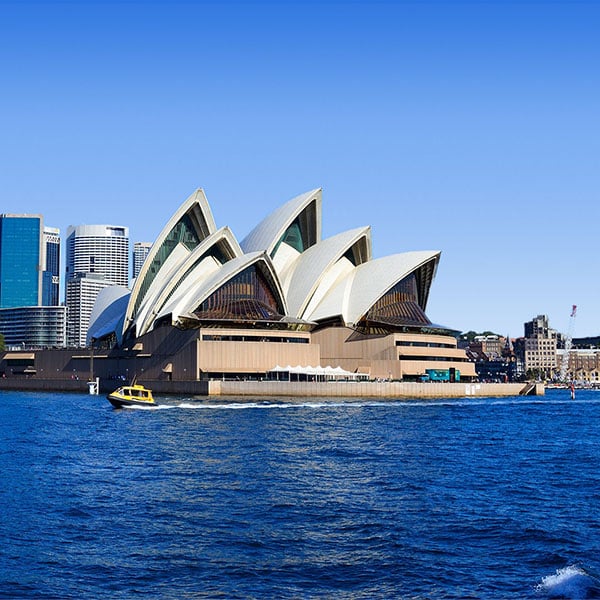
Flights from Sydneyto Broken Hill, NSW
-23 % Prime price per passenger
355$
275$
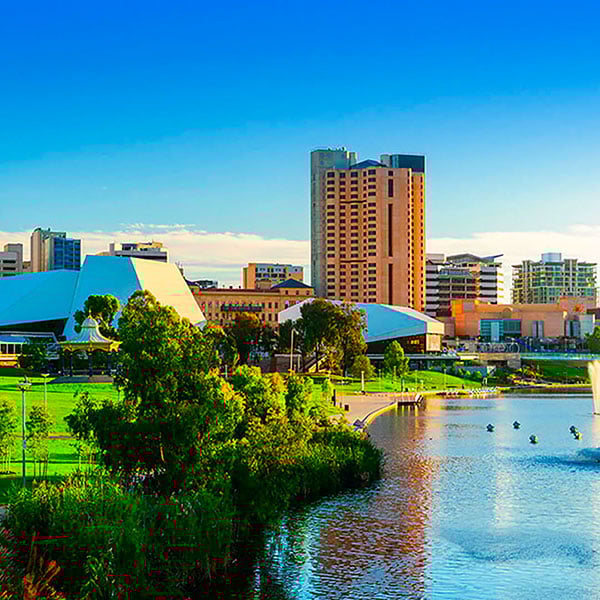
Flights from Adelaideto Broken Hill, NSWPrime price per passenger
270$
252$
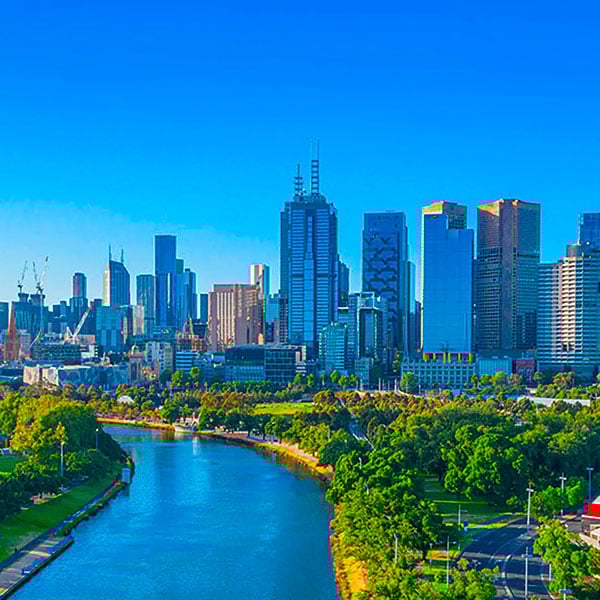
Flights from Melbourneto Broken Hill, NSWPrime price per passenger
692$
657$

Flights from Dubbo, NSWto Broken Hill, NSWPrime price per passenger
338$
327$

Flights from Orange, NSWto Broken Hill, NSWPrime price per passenger
543$
507$

Flights from Wagga Wagga, NSWto Broken Hill, NSWPrime price per passenger
564$
548$
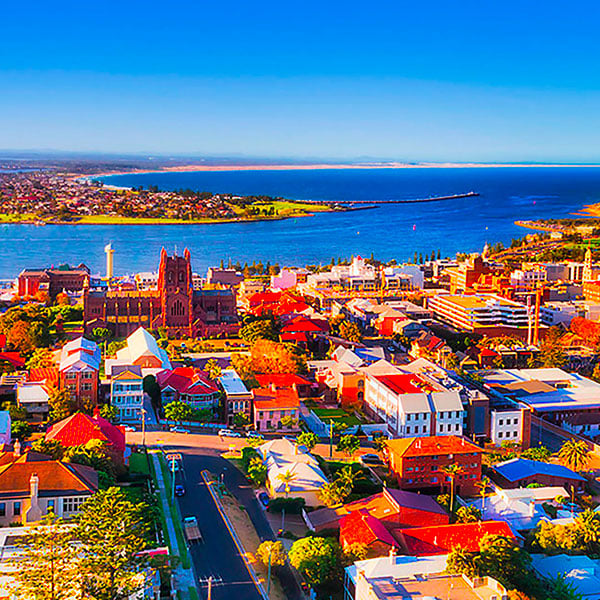

How long’s the flight to Broken Hill, NSW?
If you’re looking to fly to Broken Hill, NSW, we at eDreams have checked the most popular routes to help you plan your trip. From Adelaide, the flight takes roughly 1h 47m; from Dubbo, NSW, around 2h 35m; and from Sydney, about 2h 42m.Flight Time (in hours)
AdelaideDubbo, NSWSydneyMelbourneBrisbane
Frequently asked questions about Broken Hill, NSW flights
How can I find cheap flights to Broken Hill, NSW on the eDreams website?
At eDreams, we make it easy to find the perfect flight to Broken Hill, NSW, with fares starting from just $ 214. Our smart tech searches for the best deals, giving you heaps of options. Whether you’re after the cheapest fare or the most convenient schedule, we make planning your trip dead simple.
What is the best month to travel to Broken Hill, NSW?
Based on our customers’ searches, the best month to fly to Broken Hill, NSW is March.
You might also think about flying in April, the second-best month for a cracking trip.
And don’t forget February, the third most popular month to visit Broken Hill, NSW.
If you’re after a quieter trip, the least busy month is November. Travelling then means fewer crowds and a more relaxed vibe.
Which airlines offer the most affordable flights to Broken Hill, NSW?
Based on our customers’ bookings, these low-cost airlines are the ones most likely to have cracking deals for flights to Broken Hill, NSW.
- Jetstar has an average one-way fare of $758.84. Flying from Sydney to Broken Hill, NSW costs around $747.72, and from Brisbane it’s about $781.08.
- Qantas Airways is another top pick for affordable one-way tickets, with an average fare of $1,067.14. For example, a flight from Sydney to Broken Hill, NSW costs around $768.94, and from Brisbane it’s roughly $1,060.93.
What airlines fly to Broken Hill, NSW?
These are the airlines with direct flights to Broken Hill, NSW:
- Regional Express flies direct to Broken Hill, NSW from Sydney, Adelaide, and Dubbo, NSW.
Here are some other options for flights to Broken Hill, NSW that might include a stopover:
- Qantas Airways flies to Broken Hill, NSW from Adelaide, Brisbane, and Melbourne.
- Regional Express also heads to Broken Hill, NSW from Orange, NSW, Ceduna, and Wagga Wagga, NSW, giving you a few handy departure options.
How many airports are there in Broken Hill, NSW and which is the main one?
Broken Hill, NSW has 1 airport.
Broken Hill Airport operates flights to domestic and international destinations to 3 cities.
Some of the most popular destinations are Sydney, Adelaide and Napier - Hastings.
What's the weather like in Broken Hill, NSW?
If you’re chasing sunshine, the best time to visit Broken Hill, NSW is during January, February, and December, when the average temperature hits around 32º. These months are also the sunniest, with heaps of sunshine – around 27 hours a day.
For cooler weather, plan your trip for July, June, and August, when temps drop to about 7º.
Want to avoid the wet stuff? Best to skip Broken Hill, NSW during December, March, and February, when rainfall peaks at around 28mm. The driest months are April, August, and June, with just 17mm of rain on average.
Plan your trip
Popular CitiesPopular Flight RoutesAlternative routes
- Flights to Sydney
- Flights to Adelaide
- Flights to Melbourne
- Flights to Brisbane
- Flights to Dubbo, NSW
- Flights to Gold Coast - Coolangatta
- Flights to Orange, NSW
- Flights to Wagga Wagga, NSW
- Flights to Cairns
- Flights to Perth
- Flights to Canberra
- Flights to Port Macquarie, NSW
- Flights to Mount Gambier
- Flights to Dublin
- Flights to Manila
- Flights to Darwin
- Flights to Wilcannia
- Flights to Renmark
- Flights to Balcanoona
- Flights to Mildura
- Flights to Moolawatana
- Flights to Tibooburra
- Flights to Mount Gunson
- Flights to Robinvale