eDreams is now available in the following countries:
Europe

Asia
Oceania
America
Africa
Or you can visit ourglobal site
Find Cheap Flights to Gisborne from $ 85 with eDreams
Flights
Hotels
Flight + Hotel
Car hire
Date
Date
1
Explore the best deals
Discover the cheapest flights to Gisborne
Filter by
Thu, 23 Apr - Tue, 28 Apr

Air New ZealandDirect
Auckland - Gisborne
Air New ZealandDirect
Gisborne - Auckland
284$
265$
Wed, 6 May - Sat, 9 May
Air New ZealandDirect
Auckland - Gisborne
Air New ZealandDirect
Gisborne - Auckland
295$
286$
Thu, 9 Apr - Sun, 12 Apr
Air New ZealandDirect
Auckland - Gisborne
Air New ZealandDirect
Gisborne - Auckland
-11 % Prime price per passenger
336$
300$
Fri, 8 May - Sat, 9 May
Air New ZealandDirect
Auckland - Gisborne
Air New ZealandDirect
Gisborne - Auckland
317$
308$
Sun, 31 May - Sun, 31 May
Air New ZealandDirect
Auckland - Gisborne
Air New ZealandDirect
Gisborne - Auckland
350$
343$
Fri, 5 June - Wed, 10 June
Air New Zealand1 stop
Brisbane - Gisborne
Air New Zealand1 stop
Gisborne - Brisbane
908$
887$
Wed, 13 May
Air New ZealandDirect
Auckland - Gisborne
93$
85$
Thu, 7 May
Air New ZealandDirect
Auckland - Gisborne
125$
115$
Wed, 22 Apr
Air New ZealandDirect
Auckland - Gisborne
145$
134$
Thu, 21 May
Air New ZealandDirect
Auckland - Gisborne
145$
134$
Thu, 9 Apr
Air New ZealandDirect
Auckland - Gisborne
-11 % Prime price per passenger
184$
163$
Tue, 9 June
Air New Zealand1 stop
Cairns - Gisborne
599$
586$
The prices shown on this page were available within the last 20 days for the specified periods and should not be considered the final price offered. Please note that availability and prices are subject to change.
Popular flight routes to Gisborne
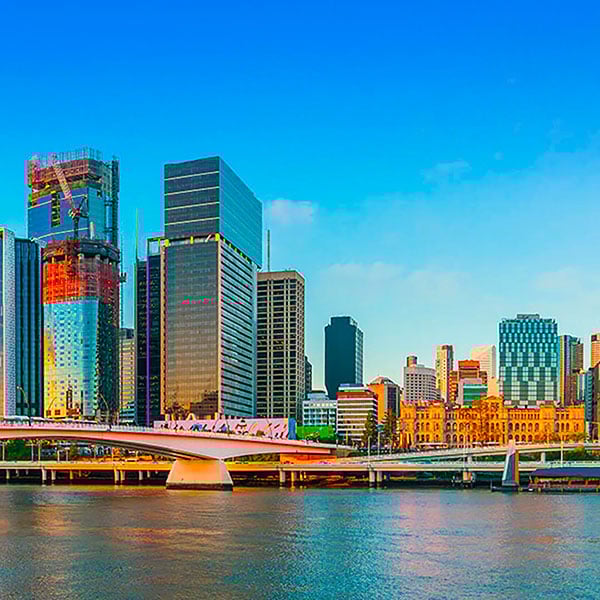
Flights from Brisbaneto -Prime price per passenger
542$
524$
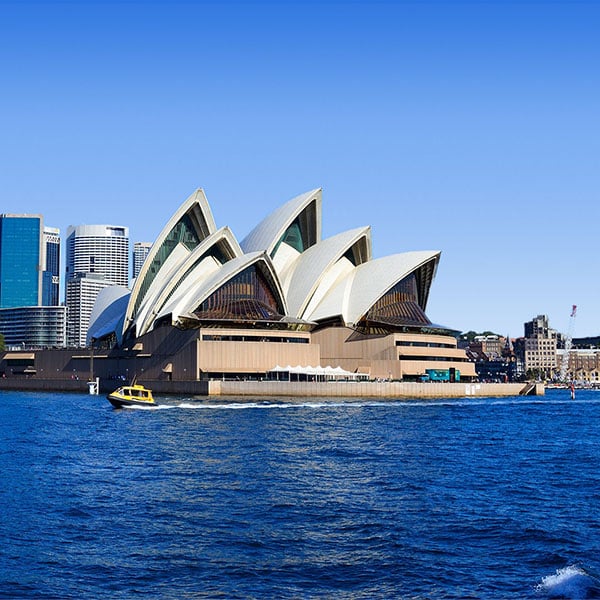
Flights from Sydneyto -Prime price per passenger
524$
512$
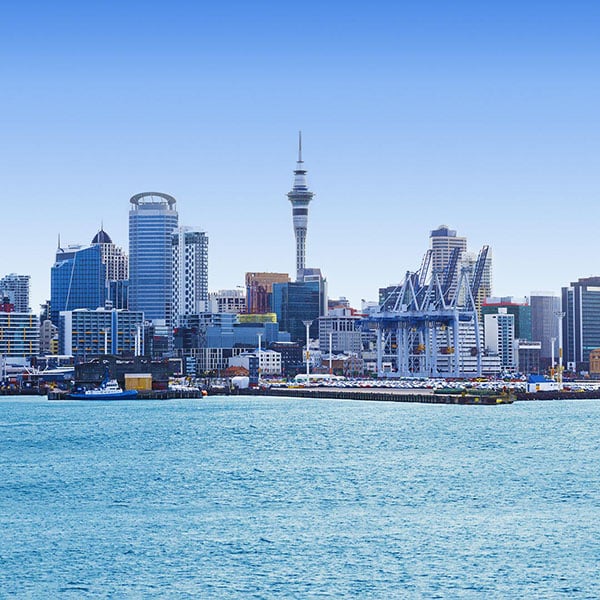
Flights from Aucklandto -Prime price per passenger
145$
134$
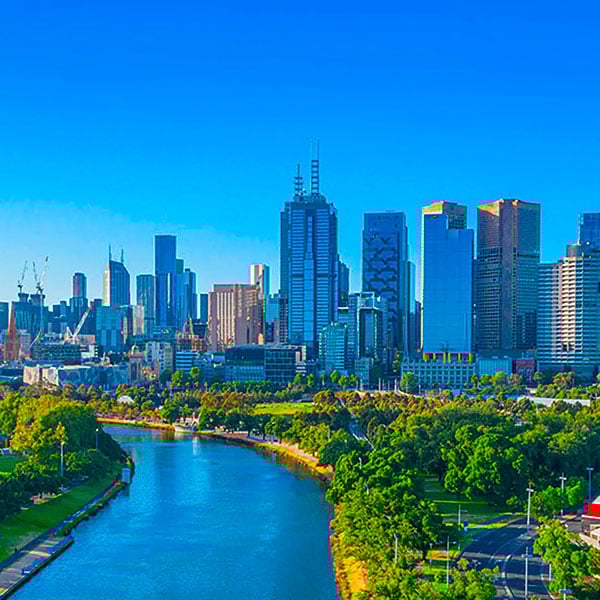
Flights from Melbourneto -Prime price per passenger
454$
445$

Flights from Perthto -
-14 % Prime price per passenger
901$
776$
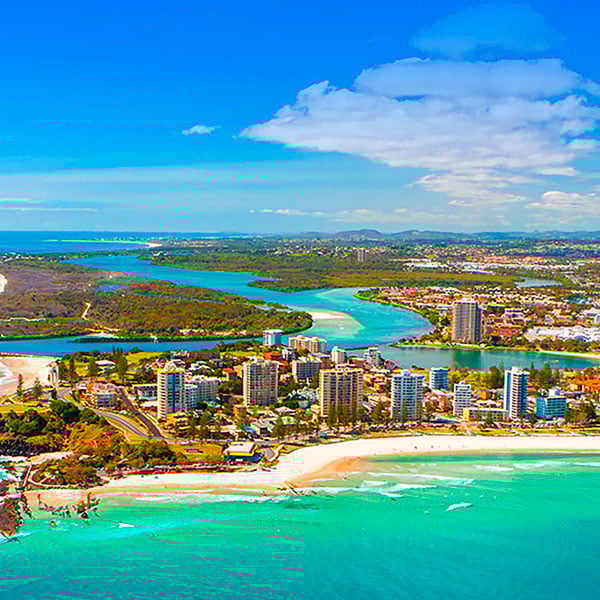
Flights from Gold Coast - Coolangattato -Prime price per passenger
499$
491$

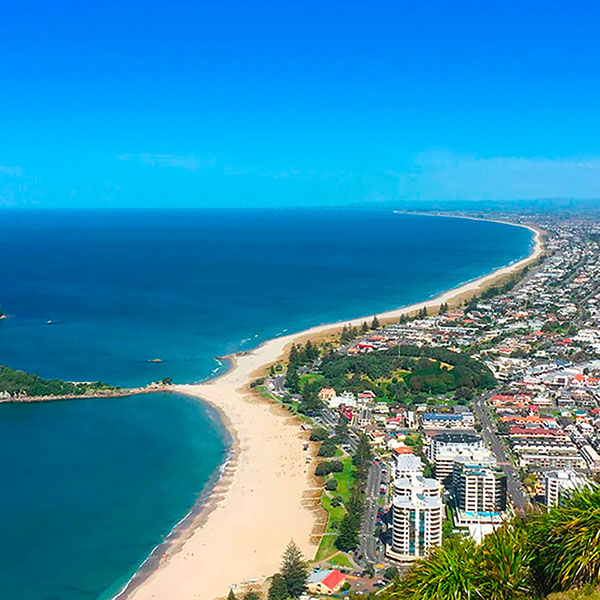
How long’s the flight to Gisborne?
If you’re looking to fly to Gisborne, we at eDreams have checked the most popular routes to help you plan your trip. From Brisbane, the flight takes roughly 4h 23m; from Sydney, around 4h 23m; and from Melbourne, about 4h 50m.Flight Time (in hours)
BrisbaneSydneyMelbourneDarwinPerth
How much does a flight to Gisborne cost?
At eDreams you can find flights from Sydney to Gisborne starting from $497, with an average price of $544. If you depart from other cities such as Brisbane, you can find tickets from $507, and from Perth starting from $788, according to data from the last 72 hours.Filter by
SydneyBrisbanePerthSunshine Coast - Maroochydore, QLDHobart
SydneyCheapest
Cheapest Price: $497CheapestAverage
Frequently asked questions about Gisborne flights
How can I find cheap flights to Gisborne on the eDreams website?
At eDreams, we make it easy to find the perfect flight to Gisborne, with fares starting from just $ 85. Our smart tech searches for the best deals, giving you heaps of options. Whether you’re after the cheapest fare or the most convenient schedule, we make planning your trip dead simple.
What airlines fly to Gisborne?
Here are some other options for flights to Gisborne that might include a stopover:
- Air New Zealand flies to Gisborne from Brisbane, Gold Coast - Coolangatta, and Napier - Hastings.
When traveling to Gisborne, what's the recommended arrival time at the airport before my flight?
To kick off your trip without any dramas, rock up to the airport 2–3 hours before your flight. This gives you plenty of time to check in, get through security, customs, and drop off your bags, and leaves room in case anything crops up.
With eDreams, you can snag top-flight deals to Gisborne from over 7 cities. We’ve also got extras to make your airport time a breeze – priority boarding, extra luggage, and lounge access for a bit of comfort.
For extra peace of mind, think about picking a refundable fare or chucking on some travel insurance so you can start your trip feeling ready and relaxed.
How many airports serve Gisborne?
Gisborne is served by 1 airport[s]. The main one, Gisborne Airport, flies to 7 cities, with heaps of domestic and international options. The most popular flights head to Melbourne, Perth, and Albury. Whether you’re travelling for work or a holiday, there’s plenty of ways to get where you need to go.
What's the weather like in Gisborne?
If you’re chasing sunshine, the best time to visit Gisborne is during January, February, and March, when the average temperature hits around 22.52 °C. These months are also the sunniest, with heaps of sunshine – around 76.77 hours a day.
For cooler weather, plan your trip for May, June, and July, when temps drop to about 5.86 °C.
Want to avoid the wet stuff? Best to skip Gisborne during February, April, and June, when rainfall peaks at around 6.75 mm. The driest months are January, February, and March, with just 0 mm of rain on average.
Plan your trip
Popular CitiesPopular Flight RoutesAlternative routes
- Flights to Brisbane
- Flights to Auckland
- Flights to Gold Coast - Coolangatta
- Flights to Melbourne
- Flights to Wellington
- Flights to Sydney
- Flights to Hobart
- Flights to Los Angeles, CA
- Flights to Beijing
- Flights to Dublin
- Flights to London
- Flights to Napier - Hastings
- Flights to Whangarei
- Flights to Apia
- Flights to Coffs Harbour
- Flights to Denpasar-Bali
- Flights to Wairoa
- Flights to Whakatane
- Flights to Rotorua
- Flights to Taupo
- Flights to Tokoroa
- Flights to Tauranga
- Flights to Matamata
- Flights to Mansion House